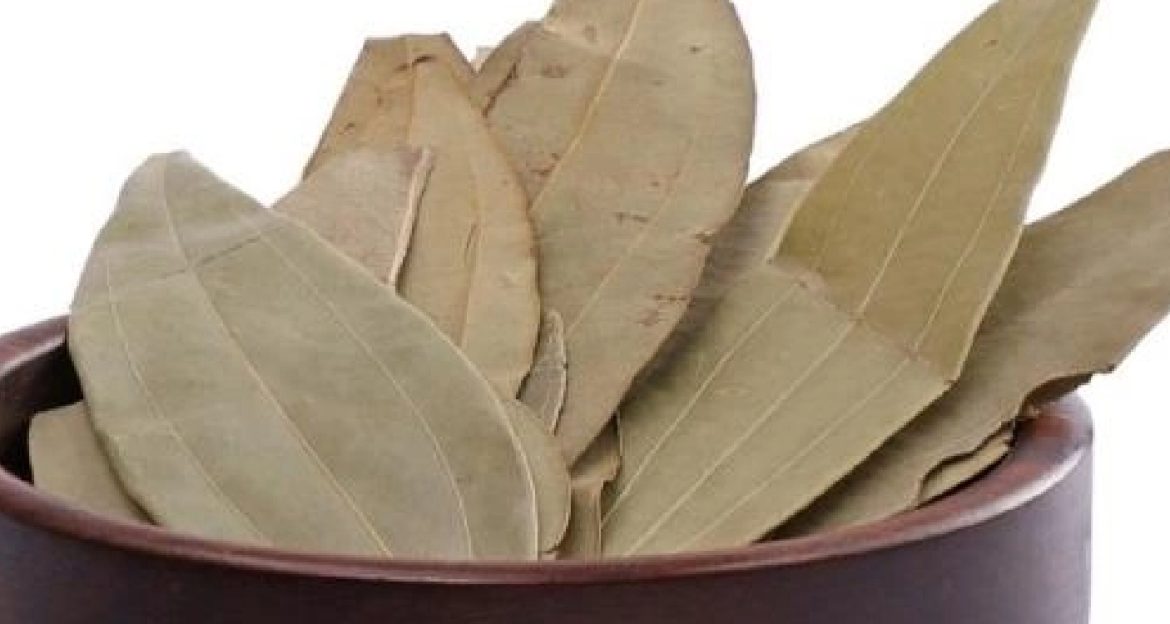
Wreathes of bay leaves were presented to victorious generals in ancient Rome. During their triumph or subsequent procession through the streets of Rome a high-status slave would hold it above their head and whisper in their ear “you are but a man” to remind them that even with all the adulation of the crowd they were not a god. Laurel wreaths were also the original gold-medal award in ancient Greece for successful Olympic athletes.
Bay leaf is a perennial shrub belonging to the family laurel (Lauraceae). The origin of bay leaf is most probably South Asia and from there it must have spread to other parts of the world. There are large varieties of bay leaf (almost 2500 varieties). The leaf component of bay laurel is used traditionally as a spice in garam masala and several rice dishes in India. (You know biryanis!).
We get bay leaves from several plants like Bay laurel (Laurus nobilis,Lauraceae), California bay leaf also known as California laurel, Indian bay leaf or malabathrum (Cinnamomum tamala, Lauraceae), Indonesian bay leaf or Indonesian laurel, West Indian bay leaf, Mexican bay leaf.
Out of which Indian bay leaves are short and light to medium green in colour. Also these leaves are different from bay laurel in fragrance and taste like cinnamon bark but milder.
Bay leaf is produced in Bihar, Karnataka, Kerala and Uttar Pradesh in India. Worldwide Bay laurel is commercially produced in Turkey, Algeria, Belgium, France, Greece, Mexico, Morocco, Portugal, Spain, the Canary Islands, Central America, and the southern United States.
Bay laurel needs wet sandy soil with large quantity of water in it and some moist atmospheric conditions like sea shore. They grow well in warm and moist climate. They thrive best in the soil of pH 6.0 to 8.0.
Folklore:
A Delphi Oracle (a priestess from ancient Greece and Rome) chewed or sniffed bay leaves to promote her visionary trances. It was considered a sacred plant and doctors were honoured with laurel; triumphant athletes of ancient Greece were awarded with laurel garlands and were given to winners of Olympic Games. The emperor Tiberius always wore laurel garland for he believed that bay leaves gives protection from lightning and thunderstorm.
Bay leaves should be included in your diet
Bay leaves offer us healthy dose of nutrients.
They are a rich source of Vitamin C. 100gms of fresh bay leaves contain 46.5mg of this vitamin. (77.5% of the recommended daily allowance!). Vitamin C boosts your immune system, and acts as a powerful detoxifier. (Refer recommended Bay leaf tea recipe).
They are also an excellent source of Vitamin A. 100gms provide 26% of the total daily need.
Vitamin A gives you better visual health. It is a natural antioxidant. Mucus membrane (inner protective lining of some organs such as nose, mouth, lungs, stomach) is healthily maintained by this Vitamin.
Bay leaves are also good source of B complex vitamins which help in regulating body’s metabolism, functioning of nervous system.
Bay leaf is a rich source of minerals like copper, potassium, calcium, magnesium, manganese, iron, ad selenium. Thus they help in maintaining blood pressure, improves haemoglobin, improves immune status of the body.
Inflammation:
Parthenolide, a component in Bay leaf has been found to reduce inflammation and irritation when topically applied to sore joints affected by arthritis. You can also add bay leaves to your diet for their ant-inflammatory effect.
Digestion: Bay leaves decrease toxicity of the body by stimulating vomiting (when something toxic has been consumed) and also by stimulating urination (act as a diuretic). All types of gastrointestinal upsets are settled by bay leaves. If you are suffering from irritable bowel syndrome or you have gluten sensitivity bay leaves are at your rescue. Unique enzymes found in bay leaves help in digestion of more complex proteins in our modern diet.
Heart Health: A few grams of bay leaves per day guard your heart. Some of the important organic compounds found in bay leaves protect our heart from possible damage. Caffeic acid can help removing bad cholesterol (LDL) from the cardiovascular system. Rutin strengthens capillary walls in the heart and the body’s extremities.
Cancer:
Abnormally high concentration of free radicals in the body can cause damage to the cells, especially to DNA. This causes tumours to grow. The unique combination of antioxidants and other organic compounds in bay leaves like catechins, linalool, parthenolide, and some phytonutrients help to protect the body from the effect of free radicals. One study shows that bay leaves slow the growth of breast cancer cells and colorectal cancer cells.
Anxiety and Stress: Anxiety, depression, and stress are the most predominant psychological diseases globally.
Linalool in bay leaves can lower the level of stress hormones in the body, calm your mind, and combat symptoms of depression.
Ayurveda Says:
Bay leaf is an effective herb for the treatment of the common cold. It controls cough, releases mucus and cleanse the air passages because of its Kapha balancing property.
Bay leaf is used in asthma because of its hot potency.
There are many scientific evidences present to support the role of bay leaf for bad breath.
Ancient literature revealed that dried leaves and bark of Bay laurel were prescribed for fever, anaemia and body odour.
Bay leaf has hot potency that promotes healthy digestion.
Bay leaf is also indicated in haemorrhoids (piles), nausea, anorexia, diseases of urinary tract.
It is also used in dysmenorrhoea and in inflammation of uterus.
Bay leaves are used in Trijatak- (Cinnamon, cardamom, bay leaf in equal parts)- for taste enhancement, detoxification, bad breath, appetiser, glowing skin, aid in weight loss.
Bay leaves should be stored:
Select whole, fully dried lightly green leaves. Smell them; Brown leaves have lost their aroma, taste.
Bay leaves should be kept in an airtight container in a dark place.
The whole leaves will retain flavour for over two years.
Surprisingly; the best place to store Bay leaves is a freezer; this will preserve their volatile oils, aroma and flavour.
Though it may be tempting to buy bay leaves in a bulk or economy-size pack, buy in small amounts to retain freshness, taste and phytocheicals.
Serving suggestions:
We Indians know how to flavour our food. The best way to utilize bay leaves is to put them in hot oil or ghee and stir fry them for a few seconds. (Tempering; you know!!).
Bay leaves can also be used in soups, boiling broth, sauce or liquid and simmer until the dish is cooked.
Bay leaves are also used in garam masala. (Spice mixes).
Kashmiri cuisine uses Tejpatta extensively.
It can also be used in making some of the potent great tea blends.
Recipe:
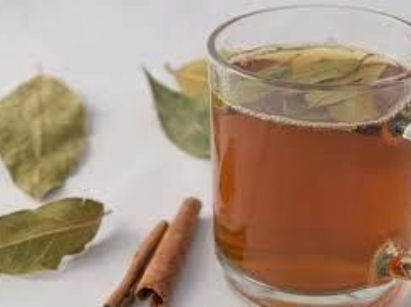
A simple soothing bay leaf tea to boost your immune system.
4-5 dried bay leaves
1cinnamon stick
l litre of water.
Add leaves and cinnamon to the water and simmer for 20 minutes.
Treat your taste buds (Delight to your tongue): *Shahi pulao with Dal tadka
Best accompaniments: hing, cinnamon, cloves, dry ginger, cumin seeds, dry chillies, mustard seeds.
Best food pairing: lentils, soups, rice, beans, cauliflower, potato, thyme, tomato, parsley, dry chillies.
Supriya Vishal
Clinical Dietician
9823356044