
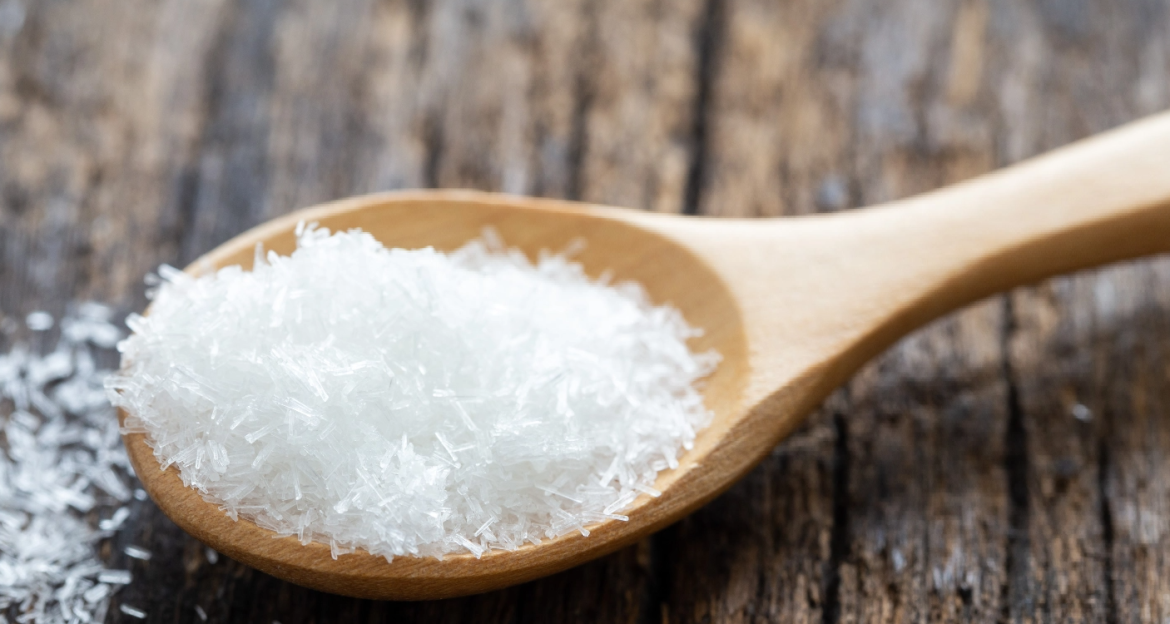
What is glutamate?
Glutamate is a salt of glutamic acid, one of the 20 amino acids to form protein. Proteins are building blocks of our body. It is found in our body; in muscles, organs, and bones in abundance.
Glutamic acid is a neurotransmitter. Meaning messages from sensory organs to the brain are transported electrically over long distances in body with the help of these transmitters. At the junction of these neural pathways there is a gap called as synaptic gap. To bridge this gap only few molecules of neurotransmitters are needed. Glutamic acid plays an important role in transmission of pain, in control of body growth, and even in reproduction. In hypothalamus glutamic acid has even more responsibility.
In small quantities either obtained from food or produced by body itself; glutamate is essential for body to carry out its function. But when it is in overdose like in instant soup it is 100 times more than what is required. Also it is not in its natural form; it is an artificial chemical; in its isolate form. Body has its own mechanism to get rid of anything in excess though. But if you consume artificial glutamate on regular basis; synaptic gaps get literally flooded with this molecule. And then the consequences are more serious. Sensitive people may experience headaches, stomach upsets, limbs pains.
And most importantly it has major effect: loss of appetite control…
Remember? You open a bag of potato chips and can’t put down the packet until it is empty. It is the most unpleasant effect of added glutamate.
So next time when you buy something read its label. For glutamate is written on second or third position in the list of ingredients.
Instead find glutamate naturally in foods like eggs, cheese, meat, potatoes, spinach, tomatoes and cereals. They contain small amount of it and is enough for you. So cook for yourself with natural ingredients and avoid too much glutamate.
Dt. Supriya Vishal.

I am a clinical dietician and a Diabetes educator. With an extensive experience, I use medical nutrition therapy for prevention and therapeutic care of health problems. I specialize in all facets of Nutrition, which includes weight management, management of Type I & Type II Diabetes, PCOS, Gestational Diabetes, Gastrointestinal issues, Pregnancy care, Cancer Nutrition and Pediatric Nutrition.

